





LOOK UP BEFORE YOU LAUNCH

  • Choose a large, open area.
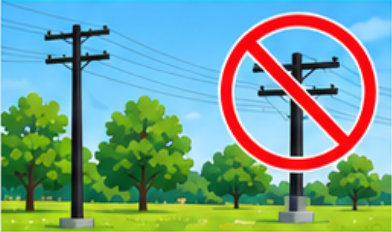
  • Never fly near overhead power lines.
  • Look around for roads, buildings, trees, fences, people, animals, and other obstacles.

CHECK THE WEATHER

  • Check the weather before leaving home and keep watching conditions while you fly.
  • If you hear thunder or see lightning, stop flying immediately and go indoors or into an appropriate hard-topped vehicle.
  • Wait at least 30 minutes after the last clap of thunder before going back outside.

INSPECT YOUR KITE

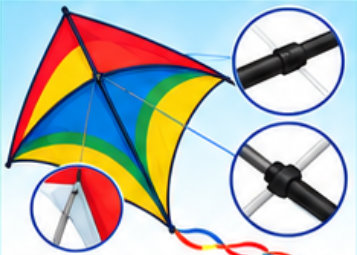
  • Check spars and rods.
  • Check connectors and fittings.
  • Check sail material.
  • Check bridle and attachment points.
  • Check tails and accessories.
  • Don't fly a damaged kite.

CHECK YOUR FLYING LINE

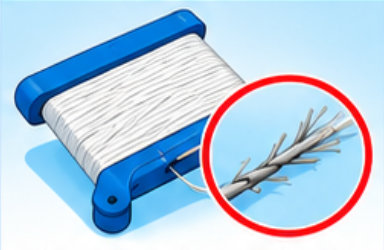
  • Inspect your line, spool, reel, and handles.
  • Replace line that is damaged, frayed, knotted inappropriately or otherwise unsafe.
  • Never use wire or metallic flying line.

PROTECT PEOPLE FROM LINE

  • Kite line under tension can be hazardous.
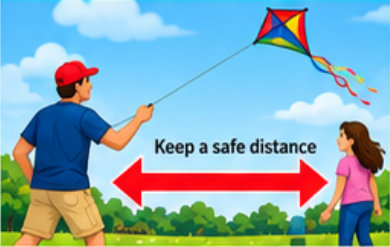
  • Never intentionally fly line across people, cyclists, roads or walkways.
  • Give spectators and other kite flyers plenty of room.

CHILDREN NEED APPROPRIATE SUPERVISION

  • Choose a kite and flying equipment appropriate for the child's age and abilities.
  • Teach children the safety rules before launching.
  • An appropriate adult should supervise young children.

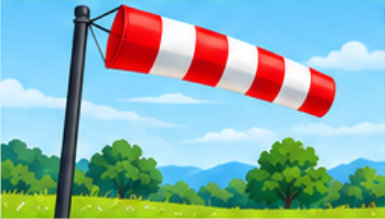
DON'T FLY IN DANGEROUS WIND

  • More wind isn't always better.
  • Use a kite appropriate for the conditions and the flyer's abilities.
  • If controlling the kite becomes difficult, bring it down.
  • Never allow a kite to pull a child or inexperienced flyer beyond their ability to control it safely. 

WATCH THE SKY & THE GROUND

  • Kite flyers naturally look upward.
  • Remember to look around you too.
  • Watch for holes, curbs, rocks, water, traffic, bicycles, other people and changing conditions while moving with your kite.

RESPECT AIRCRAFT & FLYING RESTRICTIONS

  • Never interfere with aircraft.
  • Choose flying locations well away from airports and aircraft operations.
  • High-altitude kite flying and flying in certain locations may be subject to aviation or local restrictions. Check the applicable rules before flying.

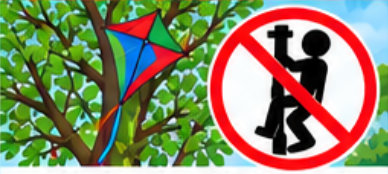
IF SOMETHING GOES WRONG - LET GO!

  • A kite is replaceable. You aren't.
  • Never climb a power pole or dangerous tree, enter traffic, go onto railroad tracks, or put yourself in danger to retrieve a kite.
  • If a kite or line becomes entangled with electrical equipment or power lines:
    DO NOT TOUCH IT.
  • Keep other people away and contact the electric utility.

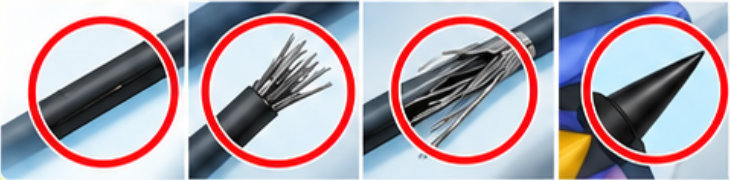
WATCH OUT FOR FIBERGLASS AIRFRAMES
WITH SHARP POINTS OR SHARP EDGES

  • Before flying, inspect the entire kite frame.
  • Look for sharp points or sharp edges.
  • Check for splintered, cracked, broken or exposed fiberglass rods, spars or connectors.
  • Check rod ends, fittings and attachment points.
  • Don't use a kite with a damaged or hazardous airframe.
  • Keep damaged fiberglass away from children's hands, faces and eyes.

FOUND AN UNSAFE PRODUCT?
REPORT IT TO CPSC - SAFERPRODUCTS.GOV

Consumers can report dangerous product, product-related injury, or potential product safety hazards to the U.S. Consumer Product Safety Commission at:

SaferProducts.gov

REPORT •  SEARCH • PROTECT

Your report can help protect other children and families.